Discover Great Music
Explore composers from Medieval chant to jazz and musical theatre. Listen, find free sheet music, and grow your repertoire.
31 composers
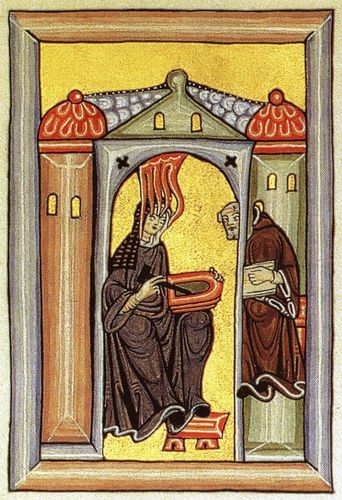
Hildegard von Bingen
1098–1179 · German
A Benedictine abbess, visionary, and polymath who composed liturgical songs and one of the oldest surviving morality plays. Her ethereal monophonic music is among the largest repertoires from the Medieval era.
3 works →
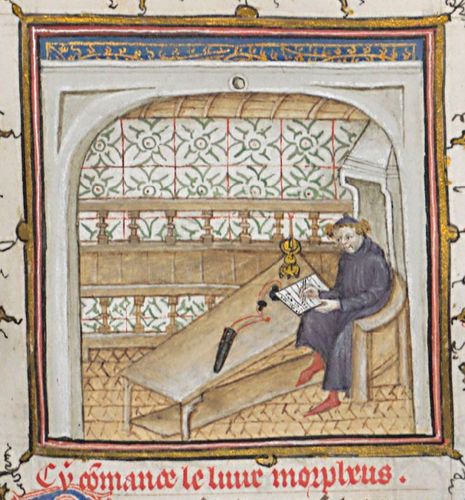
Guillaume de Machaut
1300–1377 · French
The leading composer of the Ars Nova style. His Messe de Nostre Dame is the earliest known complete polyphonic setting of the Mass Ordinary by a single composer.
2 works →
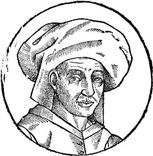
Josquin des Prez
1450–1521 · Franco-Flemish
Widely regarded as the greatest composer of the Renaissance. Known for his expressive motets and masses that set the standard for vocal polyphony.
3 works →
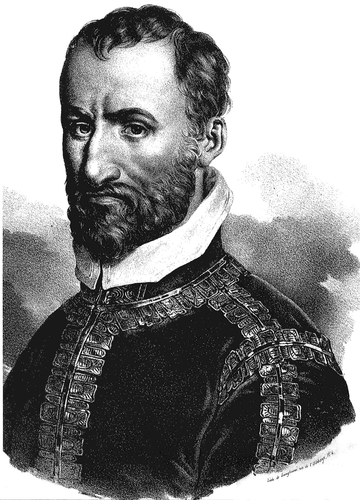
Giovanni Pierluigi da Palestrina
1525–1594 · Italian
The foremost composer of liturgical music in the Renaissance, and the paradigm of Renaissance polyphony. His masses and motets epitomize the smooth, clear style of Counter-Reformation sacred music.
2 works →
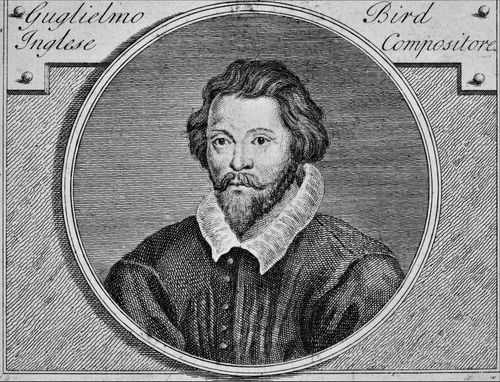
William Byrd
1543–1623 · English
The most prominent English composer of the Renaissance, equally at home with sacred Latin music, Anglican church music, consort songs, and keyboard works.
2 works →
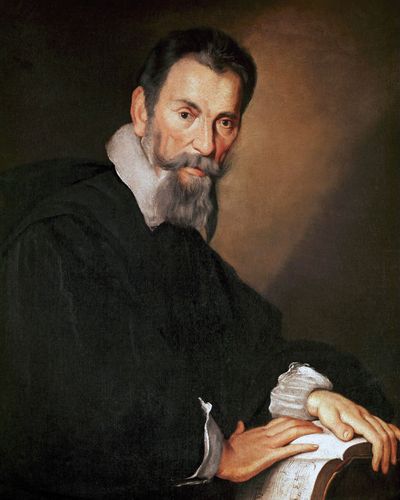
Claudio Monteverdi
1567–1643 · Italian
A pivotal figure bridging the Renaissance and Baroque. His operas, madrigals, and Vespers of 1610 revolutionized vocal music and helped establish opera as a major art form.
3 works →
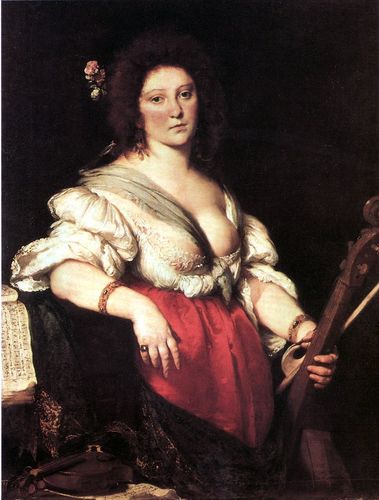
Barbara Strozzi
1619–1677 · Italian
Barbara Strozzi (1619–1677) was an Italian Baroque composer and singer, widely regarded as one of the most prolific composers of secular vocal music of her era. Based in Venice, she published eight volumes of vocal works — more than any other composer of the time — featuring cantatas, arias, and madrigals that showcased expressive melodic writing and deep emotional range. Though she performed primarily in private academic settings rather than on the public stage, her compositions earned lasting recognition and she is now celebrated as one of the most important female composers in Western music history.
2 works →
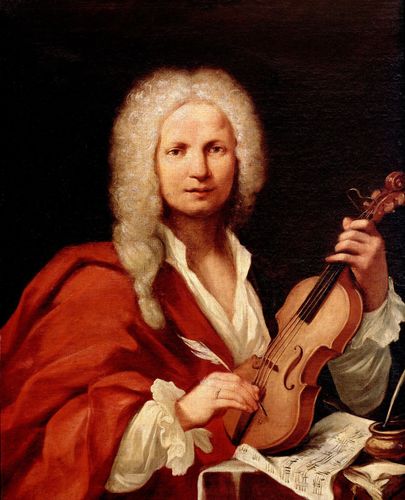
Antonio Vivaldi
1678–1741 · Italian
The 'Red Priest' of Venice, a virtuoso violinist who composed over 500 concertos and numerous operas and choral works. His Four Seasons is among the most popular works in the classical repertoire.
2 works →
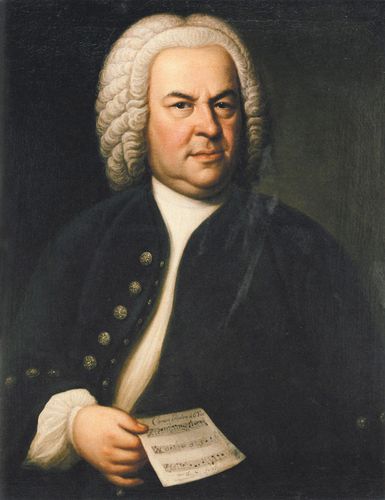
Johann Sebastian Bach
1685–1750 · German
The supreme master of the Baroque, whose works in virtually every genre of the era are unsurpassed in their technical command and artistic beauty. His cantatas, passions, and keyboard works form the backbone of Western music.
4 works →
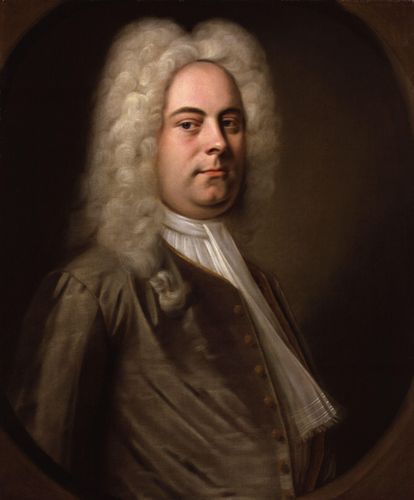
George Frideric Handel
1685–1759 · German-British
The other giant of the late Baroque, famous for his operas, oratorios, and concerti grossi. Messiah remains one of the most performed choral works in history.
3 works →
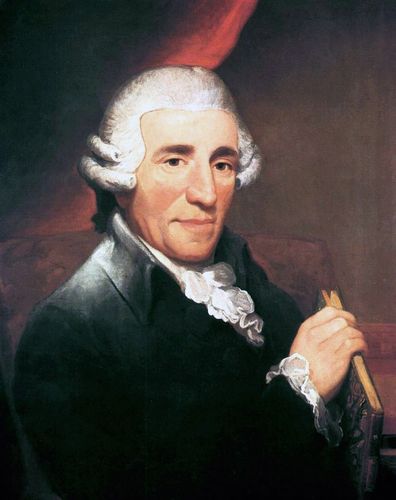
Joseph Haydn
1732–1809 · Austrian
The 'Father of the Symphony' and 'Father of the String Quartet.' His inventiveness, wit, and craftsmanship shaped the Classical style and directly influenced Mozart and Beethoven.
2 works →
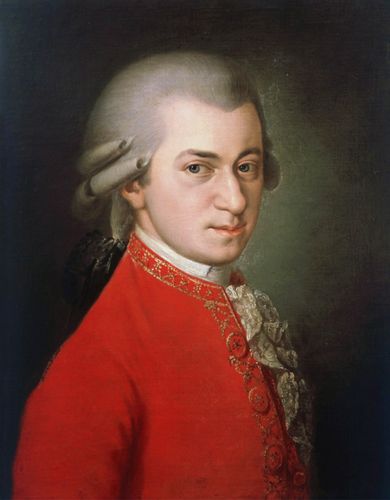
Wolfgang Amadeus Mozart
1756–1791 · Austrian
The archetypal musical prodigy whose prolific output across every genre of his time remains unmatched in its elegance, emotional depth, and structural perfection.
4 works →
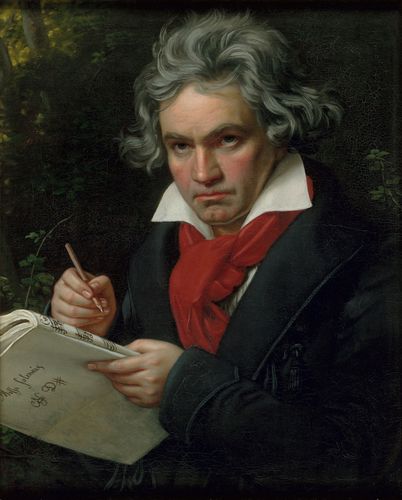
Ludwig van Beethoven
1770–1827 · German
The bridge between Classical and Romantic eras who transformed every genre he touched. His symphonies, sonatas, and choral works expanded music's expressive range and remain central to the repertoire.
3 works →
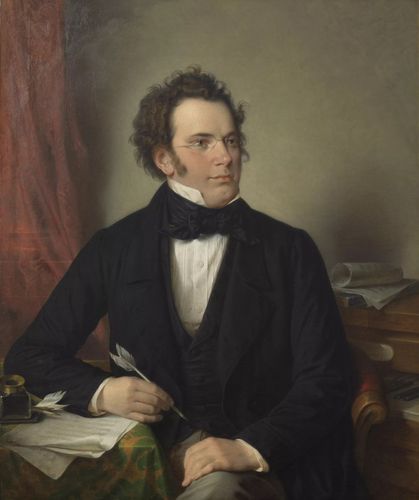
Franz Schubert
1797–1828 · Austrian
A towering figure of early Romanticism who composed over 600 Lieder, along with symphonies, chamber music, and sacred works. His gift for melody remains unmatched.
3 works →
Giuseppe Verdi
1813–1901 · Italian
The foremost Italian opera composer of the 19th century, whose dramatic works from Rigoletto to Otello defined the genre. His Requiem is one of the greatest choral-orchestral masterpieces.
3 works →
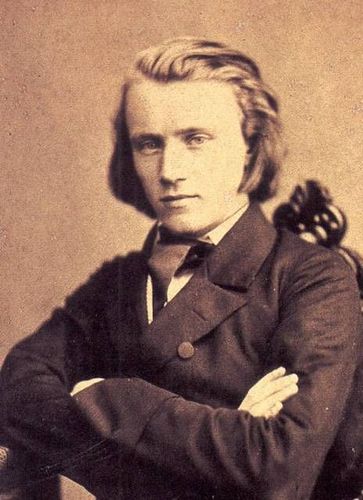
Johannes Brahms
1833–1897 · German
The great Romantic classicist whose Ein deutsches Requiem, symphonies, and chamber music combine rigorous formal mastery with profound emotional depth.
3 works →
Pyotr Ilyich Tchaikovsky
1840–1893 · Russian
Russia's most popular composer, whose emotionally intense symphonies, ballets, and operas have captivated audiences worldwide. Swan Lake, The Nutcracker, and his Symphony No. 6 are cornerstones of the orchestral repertoire.
3 works →
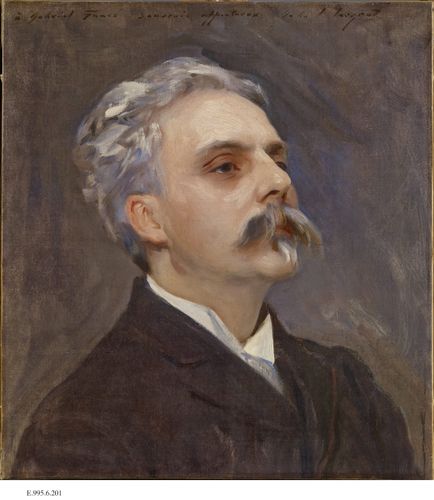
Gabriel Fauré
1845–1924 · French
The master of French art song and one of the foremost composers of the late Romantic era. His Requiem is celebrated for its serene beauty, and his mélodies and chamber music are pillars of the repertoire.
3 works →
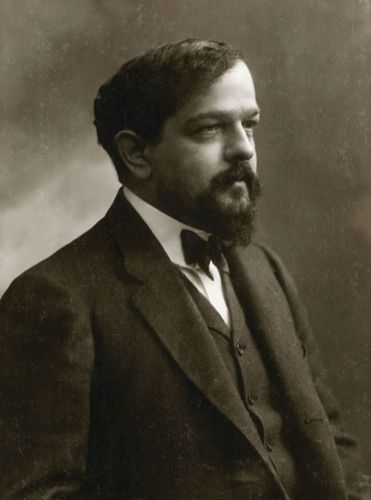
Claude Debussy
1862–1918 · French
The founder of musical impressionism whose revolutionary use of harmony, color, and texture opened entirely new sonic worlds. His orchestral and piano music redefined what was possible.
3 works →
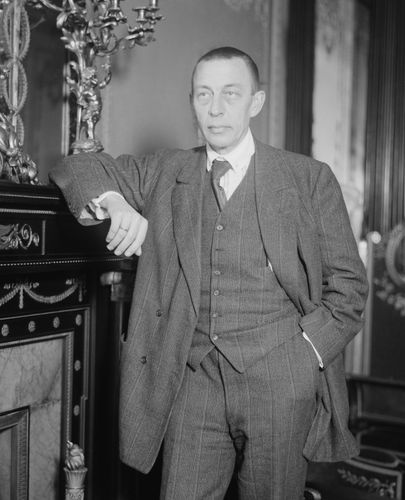
Sergei Rachmaninoff
1873–1943 · Russian
A towering pianist-composer of the late Romantic era. His sweeping melodies, virtuosic piano writing, and lush orchestration produced some of the most beloved works in the classical repertoire.
3 works →
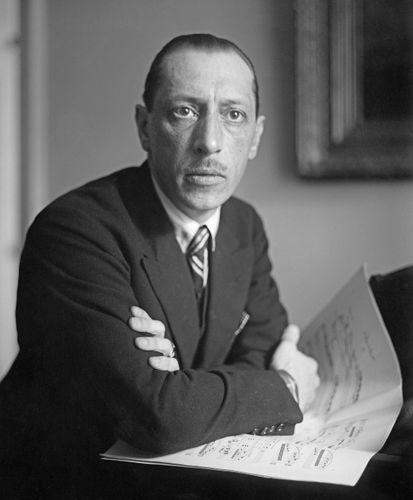
Igor Stravinsky
1882–1971 · Russian-American
Perhaps the most influential composer of the 20th century. From the primal energy of The Rite of Spring to the austere beauty of the Symphony of Psalms, his constant reinvention shaped modern music.
3 works →
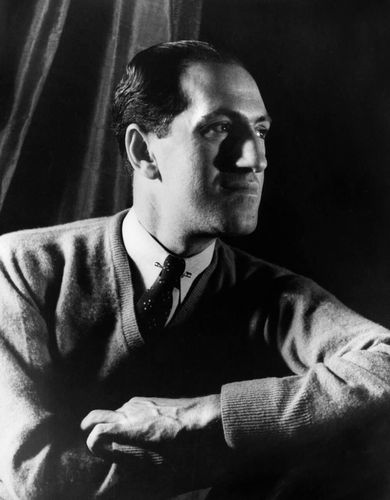
George Gershwin
1898–1937 · American
The quintessential American composer who blended jazz, blues, and classical traditions into works that defined an era. From Rhapsody in Blue to Porgy and Bess, his music bridges concert hall and Broadway.
3 works →
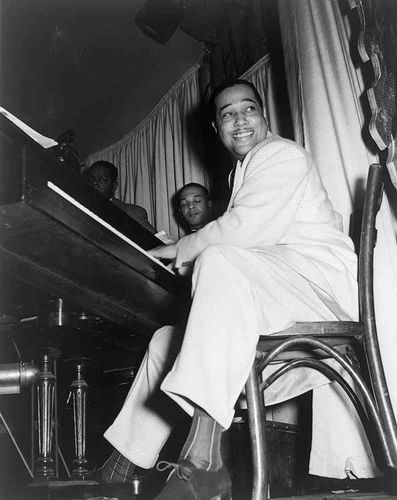
Duke Ellington
1899–1974 · American
The most important composer in jazz history, leading his orchestra for over 50 years and creating a vast body of work that includes jazz standards, extended suites, and sacred concerts.
3 works →
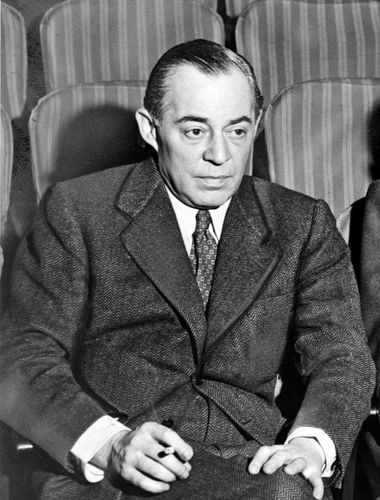
Richard Rodgers
1902–1979 · American
One of the greatest Broadway composers, first with lyricist Lorenz Hart and then with Oscar Hammerstein II. Oklahoma!, The Sound of Music, and South Pacific are among the most beloved musicals ever written.
3 works →
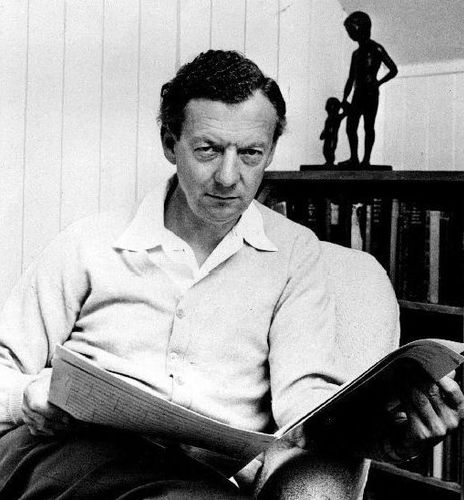
Benjamin Britten
1913–1976 · English
The leading English composer of the 20th century, whose operas, choral works, and song cycles combine accessibility with modernist technique. His War Requiem is a towering humanitarian statement.
3 works →
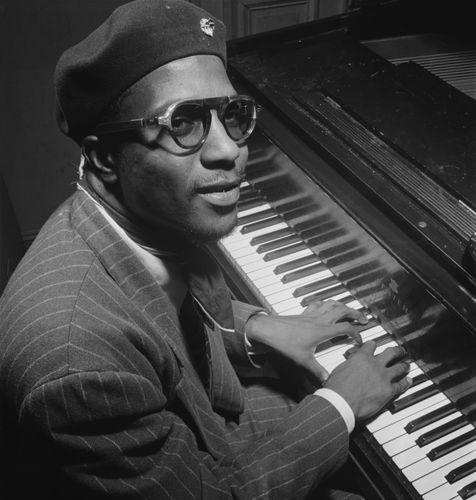
Thelonious Monk
1917–1982 · American
One of the most original and influential jazz pianists and composers. His angular melodies, dissonant harmonics, and unique rhythmic approach created a body of standards that are essential to the jazz repertoire.
3 works →
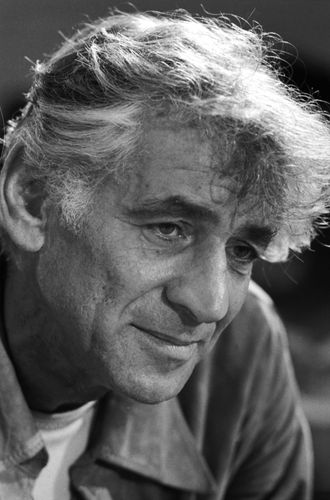
Leonard Bernstein
1918–1990 · American
A Renaissance man of music — conductor, composer, educator, and humanitarian. His West Side Story fused jazz, Latin rhythms, and classical craft, while his Young People's Concerts brought classical music to millions.
3 works →
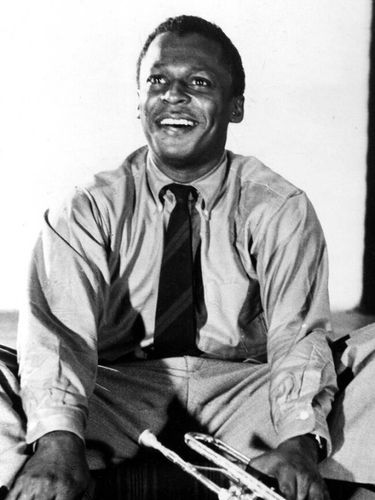
Miles Davis
1926–1991 · American
The most consistently innovative figure in jazz. From bebop to cool jazz to fusion, Davis led revolutions in jazz style across five decades, with Kind of Blue standing as the best-selling jazz album of all time.
3 works →
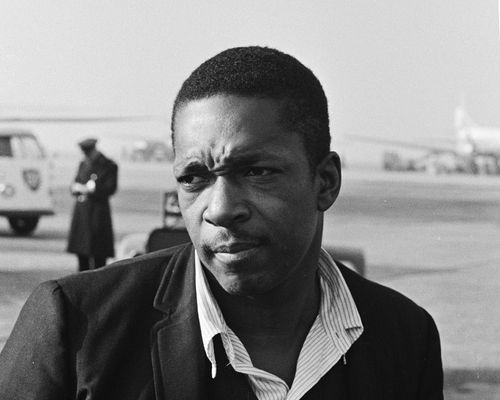
John Coltrane
1926–1967 · American
A transformative saxophonist and composer who pushed jazz into new harmonic and spiritual territory. His recordings from Giant Steps to A Love Supreme represent some of the most important music of the 20th century.
3 works →
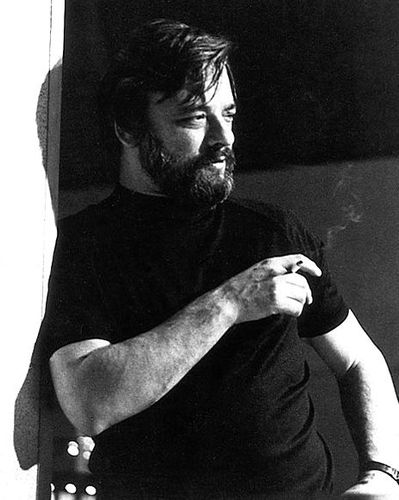
Stephen Sondheim
1930–2021 · American
The most influential figure in modern musical theatre, whose sophisticated lyrics and complex music raised the art form to new heights. From West Side Story to Sweeney Todd, his work redefined what musicals could be.
3 works →
Eric Whitacre
b. 1970 · American
One of the most popular living choral composers, known for lush harmonies, cluster chords, and the Virtual Choir project that brought singers together from around the world via the internet.
3 works →